
Social media advertising is paid placement on social platforms using auction-based systems to reach targeted audiences at scale. In 2026, three forces have reshaped how campaigns perform: AI-driven systems that manage targeting and bidding with minimal manual input, privacy-first strategies built on first-party data rather than third-party cookies, and short-form vertical video as the dominant creative format.
The mechanics are consistent across platforms. You set a campaign objective (awareness, consideration, or conversion), define an audience, submit creative, and enter an auction. The platform’s algorithm decides which ads appear for which users and adjusts delivery toward your chosen objective in real time.
What changed in 2026 is how much the algorithm now handles alone. Meta’s Advantage+ and equivalent systems on other platforms manage audience selection, creative rotation, and bid adjustments with limited manual oversight. AI-driven campaign automation consistently outperforms fully manual setups on return on ad spend.
Key Takeaways
Social media advertising is paid placement on social platforms using auction-based systems. In 2026, three forces shape campaign performance: AI-driven automation that manages targeting and bidding with minimal manual input, privacy-first strategies built on first-party data, and short-form vertical video as the dominant creative format.
Platform choice should follow the audience. Facebook's conversion infrastructure and retargeting work best for audiences over 30. TikTok offers the cheapest awareness inventory through algorithmically driven discovery. LinkedIn charges the most but gives job-title and company-size targeting no other platform matches. Reddit provides overlooked niche-community inventory at low cost.
AI-driven campaign automation (Meta's Advantage+, TikTok's Smart Performance Campaigns, Google's Performance Max) handles audience discovery, bid adjustments, and creative rotation. It does not handle brand strategy, cross-platform budget allocation, or interpreting results in business context.
First-party data from email lists, CRM audiences, and pixel events has become the central asset in social advertising. Privacy changes reduced third-party behavioral signal, and conversion APIs with server-side tracking now preserve the signal that browser-level tracking loses.
Short-form vertical video is the dominant ad format, but format should match campaign objective rather than trend. Video works best for awareness, carousels for consideration, and lead forms or shopping formats for conversions. Static image ads still outperform video when retargeting audiences that already know the product.
Sound-off design is required because the majority of social ad impressions happen with audio muted on mobile devices. Captions, text overlays, and visual storytelling carry the message. Ads that depend on voiceover to communicate value fail in these environments.
The 70/30 budget rule puts 70% behind proven campaigns and protects 30% for testing new audiences, creative, and platforms. Without a protected testing allocation, proven campaigns absorb all available spend and performance stalls when creative fatigue sets in.
Multi-platform campaigns outperform single-platform campaigns, but a small budget should prove economics on one platform before expanding to a second. Ad costs across major platforms have risen since 2024, which makes choosing the wrong platform more expensive than it used to be.
Creator-driven, lo-fi creative outperforms polished studio production on TikTok and Instagram because users skip content that looks like an ad and engage with content that looks personal. Spark Ads and partnership ads let brands run paid promotion under a creator's account with full targeting controls.
The business case: why social ads still outperform
Media budgets are finite and every channel competes for the same dollars. Social advertising earns its share through a combination of reach, measurement precision, and purchase influence that few other channels match.
The numbers are direct. The 2026 figures put the average return at $5.20 for every $1 spent. That figure is a cross-industry average and varies by vertical and campaign type, but it establishes social advertising as a positive-ROI channel for most advertisers.
Multi-platform campaigns extend the advantage. Advertisers running across three or more platforms outperform single-platform campaigns by 25–35%. A TikTok ad builds awareness, an Instagram retargeting ad reinforces consideration, and a Facebook conversion campaign closes the sale. The lift comes from reaching users in different mindsets across different platforms.
The cost structure is flexible. You can run a meaningful test with a few hundred dollars and scale based on measured results, with no minimum commitments or upfront production costs. And SQ Magazine’s 2026 data puts 93.2% of social media ad clicks on mobile devices, so any campaign not designed mobile-first reaches a fraction of the available audience.
Platform-by-platform guide
Platforms differ on audience, cost, and the creative they reward, so where you start depends on who you're trying to reach. Use the table below as a quick orientation, then read the per-platform sections for the detail on reach, cost, and formats.
Platform | What sets it apart | Creative that wins | Watch-out |
Advantage+ automation plus lookalike modeling on pixel data; the default first platform | Mix of video and static, with strong retargeting creative | Audience skews older than Instagram or TikTok | |
In-app checkout, shoppable tags, and partnership ads run under a creator's handle | Reels and UGC/creator-driven content | Polished studio creative underperforms here | |
TikTok | Algorithmic discovery: zero followers can still reach millions if the creative lands | Lo-fi, phone-shot native video; Spark Ads | TikTok Shop adoption still building outside SE Asia |
YouTube | Search-and-social hybrid; viewers arrive with intent, backed by Google's search data | Pre-roll, in-stream, Shorts, and longer B2B | Needs more production than a quick feed clip |
Job-title, company-size, and seniority targeting that's unmatched for B2B | Sponsored content, document ads, lead gen forms | Highest cost; only pays off on B2B lead value | |
Planning-stage purchase intent; behaves more like search than a feed | Shopping pins and idea pins | Narrow fit: home, fashion, beauty, food, and female-skewing | |
X (Twitter) | Real-time conversation for launches, live events, and PR | Timely, reactive posts | Platform uncertainty since the rebrand; vet brand safety |
Community-first targeting by subreddit, not demographics | Value-adding posts that match the community's tone | Hard-sell ads get downvoted and mocked |
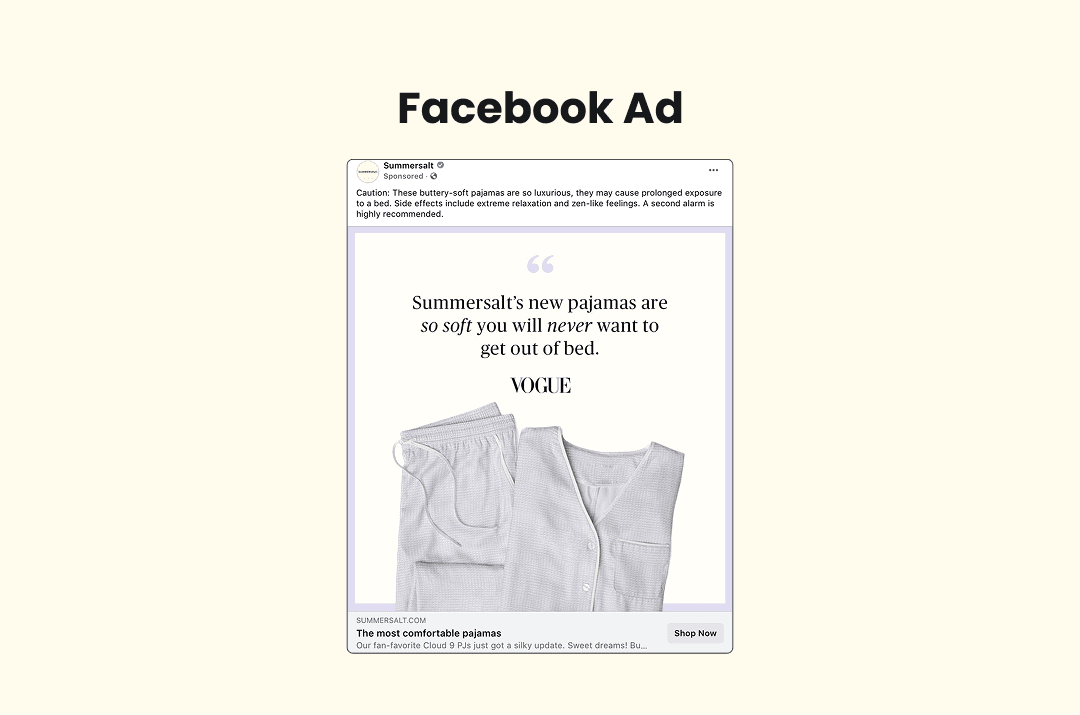
Facebook remains the largest social ad platform with 2.9 billion monthly active users and roughly 39% of global social ad spend. The audience skews older than Instagram or TikTok, with the strongest segment above 30, but its reach spans every demographic.
The biggest shift is Advantage+. Meta’s AI-driven campaign automation now handles audience selection, creative rotation, and bid adjustments in a single campaign type. For advertisers used to building manual ad sets, Advantage+ compresses the entire structure and typically delivers better results. The demographic range makes Facebook the default starting platform for most advertisers. Retargeting audiences built from website pixel data remain among the strongest conversion tools in social advertising, and Facebook’s lookalike modeling against those audiences extends reach to similar prospects.
Facebook is strongest for:
E-commerce conversion campaigns
Lead generation with forms
Retargeting website visitors
Broad awareness at scale
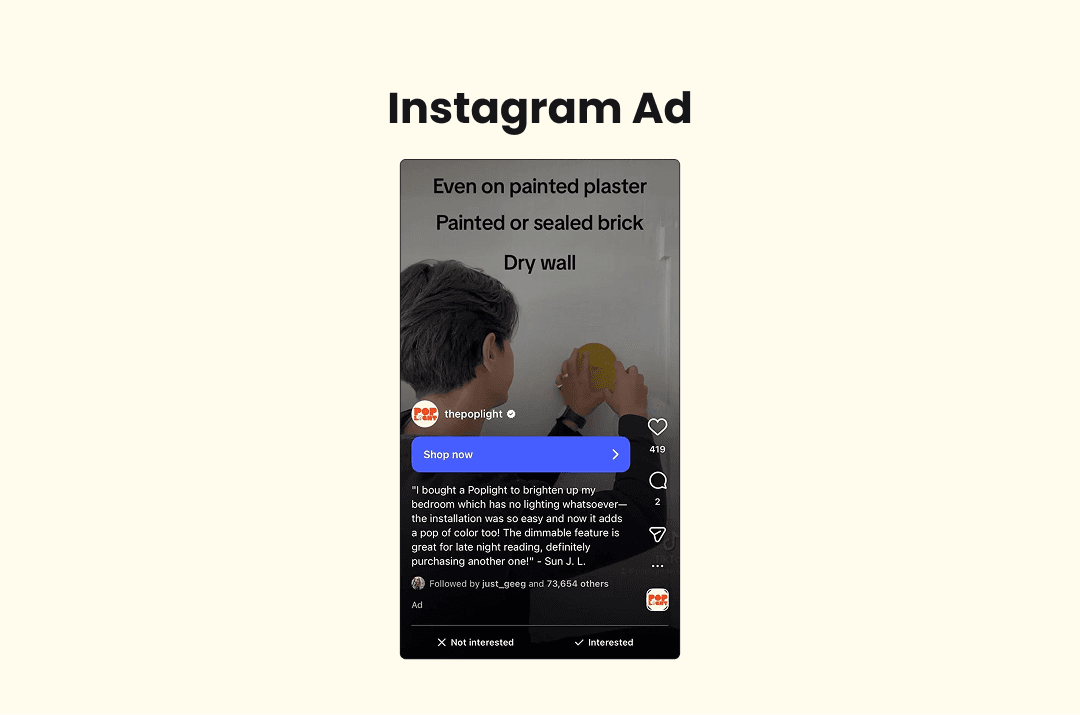
Instagram’s 2.1 billion monthly active users make it the second-largest Meta property, with an 18–34 core audience that treats the platform as a visual discovery engine.
Instagram leads in social commerce. In-app checkout, shoppable tags on posts and Reels, and partnership ads with creators give advertisers a direct path from discovery to purchase without leaving the app. Reels is the dominant format for both organic reach and paid delivery. UGC-style and creator-driven ads consistently outperform polished studio creative on the platform. Partnership ads, where brands run paid promotion under a creator’s handle with full targeting controls, have become one of the most effective formats on Instagram.
TikTok
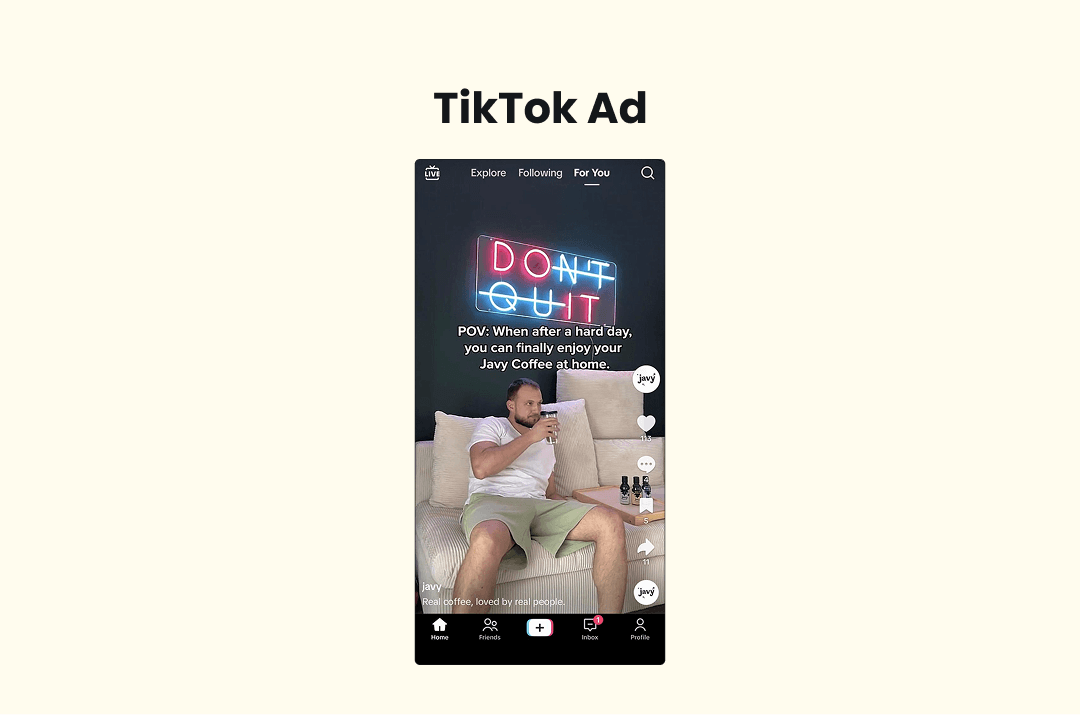
The algorithm drives discovery based on content engagement rather than follower count or profile targeting, which means creative quality matters more on TikTok than audience setup does. A new advertiser with zero followers can reach millions if the creative performs, because discovery is algorithmically driven rather than socially driven.
The creative bar is different here. Lo-fi, authentic content shot on phones outperforms polished production. Spark Ads let advertisers boost existing creator content with paid spend behind it, blending organic feel with paid reach. TikTok Shop adds a direct commerce layer, though its adoption outside Southeast Asia is still building.
YouTube
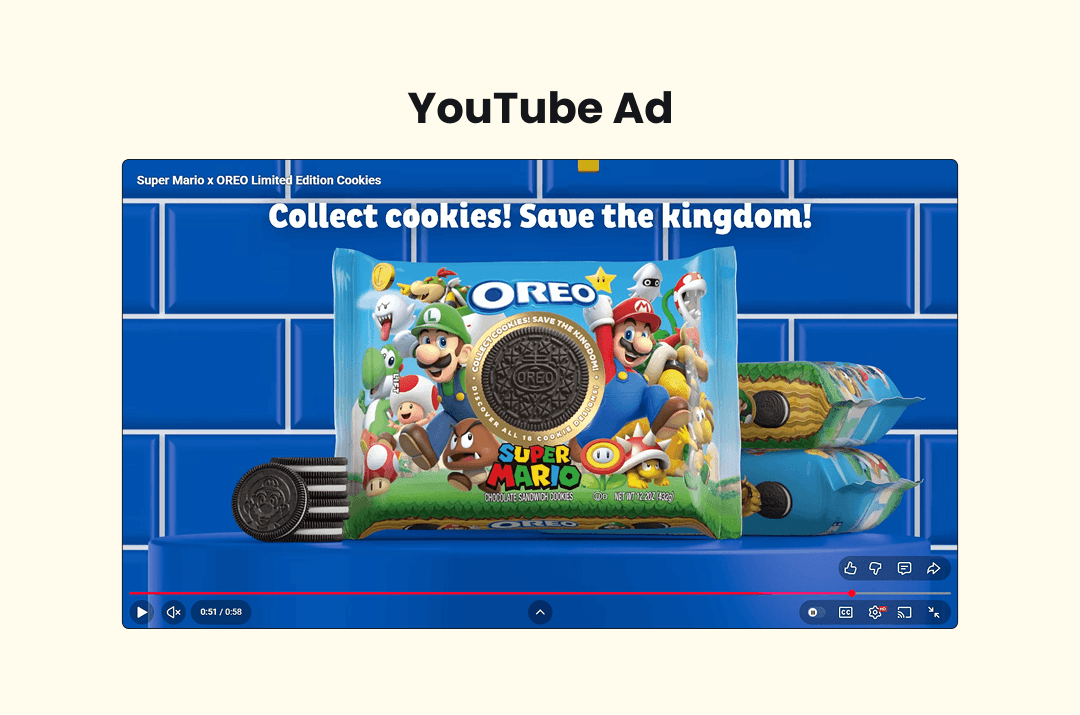
YouTube reaches 2.65 billion people per month as of April 2026, making it the single largest advertising reach of any social platform, roughly 10% higher than Facebook’s 2.39 billion. The audience is near-universal across age groups and geographies.
YouTube occupies a unique position as both a search platform and a social platform. Users arrive with intent, searching for reviews, tutorials, and comparisons, which creates an engagement context closer to Google Search than to a social feed. Pre-roll and in-stream ads reach users during longer viewing sessions, while Shorts competes directly with TikTok and Reels for short-form attention. Shorts ads are priced competitively with TikTok and Reels, and the integration with Google’s advertising ecosystem gives YouTube campaigns access to search intent data that no other social platform can match. B2B thought leadership content performs well on YouTube because the platform rewards depth and watch time.
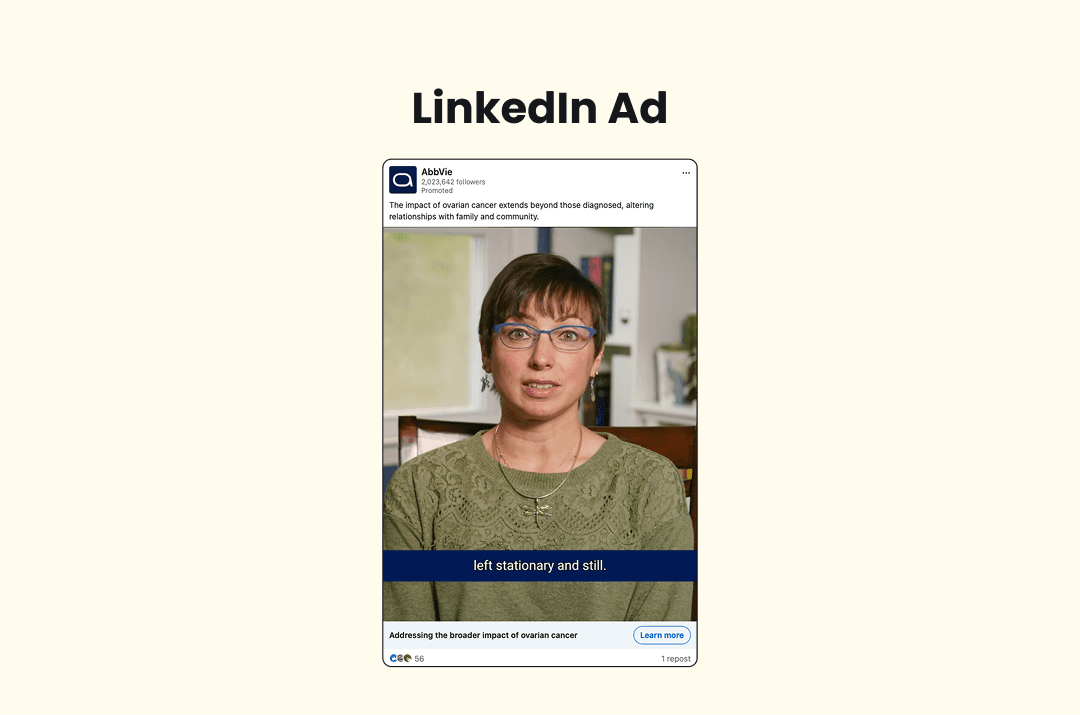
LinkedIn commands roughly 7% of social ad spend, but that spend buys access to the highest-value audience in social advertising: B2B decision-makers, executives, and professionals with verified job titles, companies, and industries.
The cost reflects the audience. CPC runs $2.00–$5.26 and CPM $33–$65. Those numbers are the highest across any major social platform and appropriate for the conversion value of a qualified B2B lead compared to a consumer click. The platform’s targeting by job title, company size, seniority, and industry is unmatched. A campaign targeting CFOs at SaaS companies with 200–500 employees is only possible on LinkedIn.
Sponsored content, message ads, and lead gen forms with pre-filled professional data are the core formats. Document ads, where brands upload PDFs that users browse natively, have become a strong format for thought leadership and gated content delivery.
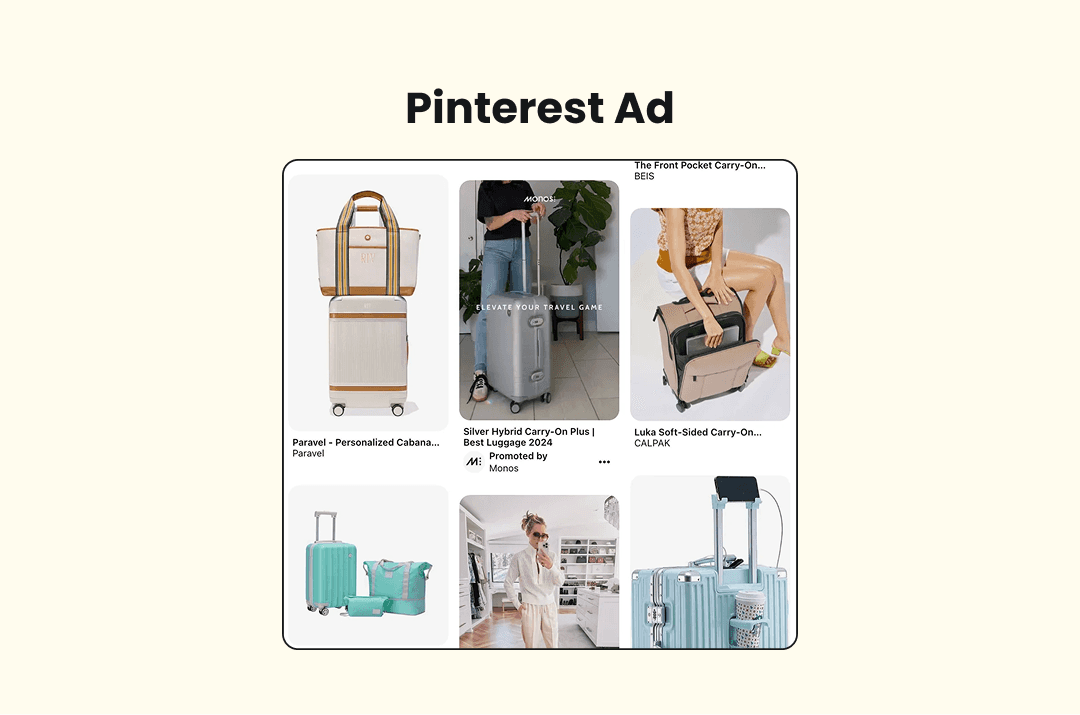
Pinterest is a planning and discovery platform, closer to a search engine than a social feed. Users arrive with aspirational purchase intent, browsing for ideas about homes, outfits, recipes, and projects. That intent makes Pinterest disproportionately strong for e-commerce in home goods, fashion, beauty, and food categories.
Competition for ad inventory is lower than on Meta or TikTok, which keeps costs down. Shopping pins and idea pins give advertisers formats built around product discovery. The audience skews female and planning-oriented, which is a narrow but high-conversion segment for the right advertiser.
X (Twitter)
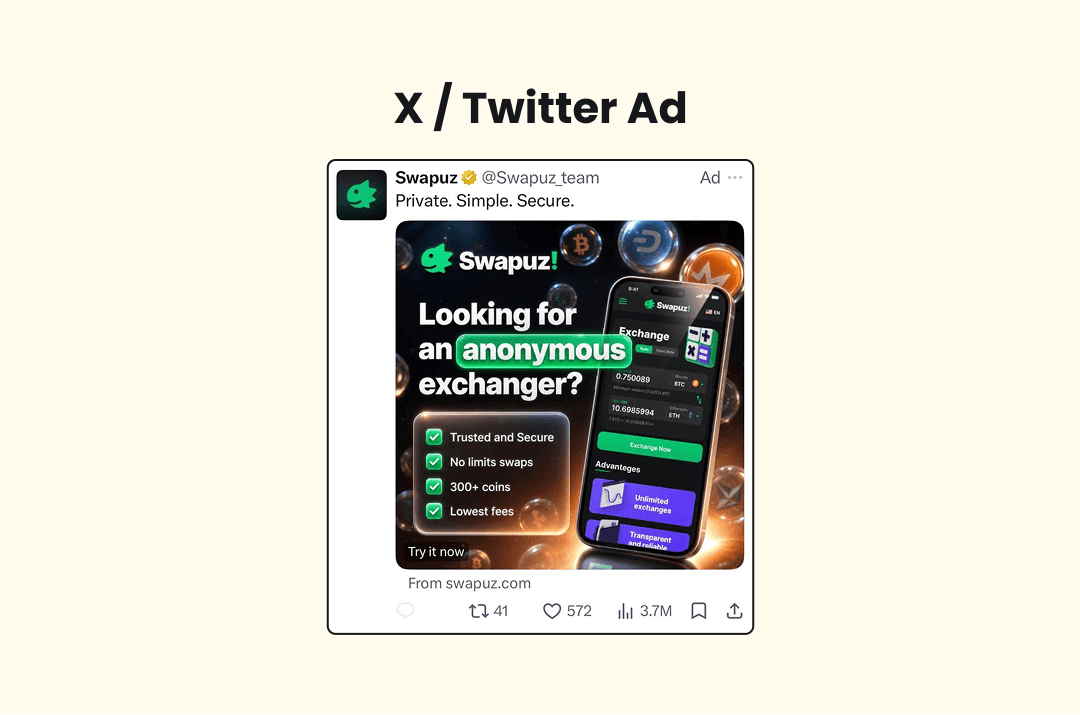
X reaches roughly 350 million users and holds the lowest CPC of any major platform at approximately $0.38. The platform’s strength is real-time conversation: product launches, live events, industry news, and PR amplification all work well.
The honest caveat is platform uncertainty. Advertiser sentiment has been mixed since the rebrand, and the long-term trajectory of X’s ad product, moderation policies, and user base remains unclear. For tech, media, and news-oriented audiences, X still delivers cheap reach. For brand-safety-conscious advertisers, the platform requires careful evaluation before committing budget.
Reddit: the overlooked platform
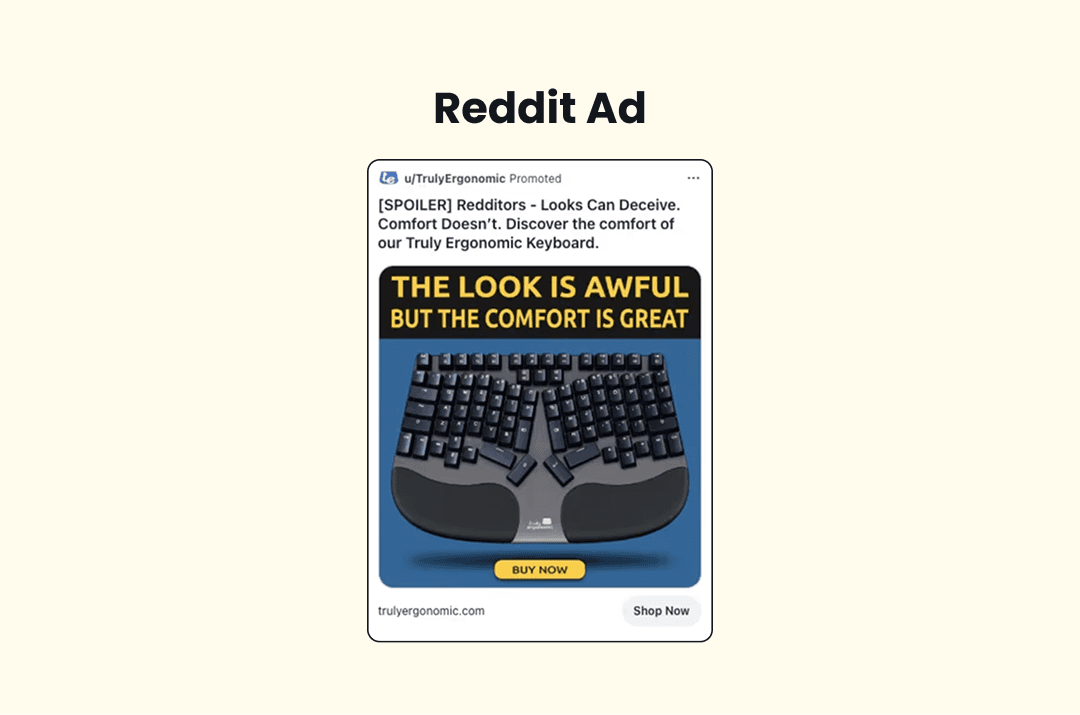
Reddit is the social advertising platform that almost no competitor guide covers, and that gap is an opportunity. With CPMs around $3, according to web benchmarks, Reddit has some of the cheapest awareness inventory available.
The targeting model is community-first. You target subreddits (topic-based communities) rather than demographic profiles, which gives you access to engaged audiences organized around specific interests. A gaming peripheral brand can target r/MechanicalKeyboards directly. A fintech startup can reach r/personalfinance.
The catch: Reddit’s community culture punishes hard-sell advertising. Ads that read like corporate marketing get downvoted and mocked. Ads that match the community’s tone, provide value, and feel like natural contributions earn engagement. If your brand can adapt to that standard, Reddit’s niche communities deliver conversion rates that often surprise first-time advertisers.
How platforms compare: costs, audiences, and strengths
Facebook delivers the broadest reach at moderate cost, TikTok has the cheapest awareness at $4–$7 CPMs, LinkedIn charges the most at $33–$65 CPM but gives access to B2B decision-makers no other platform can target, and Reddit provides overlooked inventory at roughly $3 CPM for niche community audiences.
Platform | CPC range | CPM range | Audience | Best for |
$0.50–$2.00 | $8.77–$11.20 | 25–55, broadest reach, strongest 30+ | E-commerce, lead gen, retargeting, broad awareness | |
$0.20–$3.96 | $7.91–$8.96 | 18–34, visual-first | Social commerce, Reels, brand storytelling, creator ads | |
TikTok | N/A | $4–$7 | 16–34, trend-driven, youngest skew | Awareness, lo-fi creative, Spark Ads, TikTok Shop |
YouTube | Varies | Varies | Near-universal, all age groups | Video storytelling, Shorts, B2B thought leadership |
$2.00–$5.26 | $33–$65 | B2B decision-makers, verified titles | Lead gen, document ads, thought leadership | |
Low | Low | Female-skewing, planners, aspirational | E-commerce: home, fashion, beauty, food | |
X (Twitter) | ~$0.38 | Low | Tech, media, news audiences | Events, PR amplification, real-time campaigns |
Low | ~$3 | Niche communities, interest-based | Niche B2C, tech, gaming, finance verticals |
Platform choice should follow your audience. If your customers are over 35 and buy online, Facebook’s conversion infrastructure is probably your starting point. If you sell to other businesses, LinkedIn’s targeting by job title and company size is worth the premium. If you need cheap top-of-funnel awareness for a visual product, TikTok’s CPMs beat everything else.
Ad costs across major platforms have risen 18–25% since 2024. The increase reflects growing competition for inventory as more advertisers shift budget to social from traditional channels. That cost pressure makes platform selection more consequential: spending on the wrong platform burns budget faster than it did two years ago.
Multi-platform campaigns outperform single-platform campaigns by 25–35%, but that doesn’t mean you should spread a small budget across five platforms. Start where your highest-value audience is, prove the economics, then expand to a second platform for incremental reach.
Ad formats and when to use each
Short-form vertical video is the dominant ad format in 2026, with 48% higher engagement than static images and 130% higher engagement for vertical video compared to horizontal. For B2B video specifically, short-form delivers the highest ROI at 41%.
But format should match the campaign objective rather than the latest trend. Awareness campaigns benefit most from video, where motion and captions stop the scroll for the majority of sound-off mobile viewers. For consideration, carousels work well: users swipe through multiple products, features, or selling points in a single ad unit. And conversions are strongest with lead forms (pre-filled on LinkedIn, available on Meta) and collection or shopping formats that reduce friction between ad click and purchase.
Platform context shapes format choices. A TikTok ad needs to feel native to the feed: lo-fi production, trending audio references, and a pace that matches creator content. A LinkedIn ad needs professional framing and a clear value proposition. Running the same creative across both platforms without adaptation wastes spend on both.
Stories and Reels formats (vertical, full-screen, 15–60 seconds) dominate on Instagram and Facebook. These placements cost less than feed placements and reach users in a higher-attention viewing mode. For e-commerce, shoppable formats that tag products directly in creative reduce the steps between seeing an ad and completing a purchase.
Static image ads still have their place. For retargeting campaigns where the audience already knows your product, a clean image with a clear offer (discount, free shipping, limited stock) can outperform video because the viewer already knows the product and just needs a nudge. Match the format to where your audience sits in the buying cycle. Average benchmarks matter less than that fit.
Targeting in a privacy-first world
Social ad targeting in 2026 works through three core mechanisms: demographics and interests (platform-reported data like age, location, and stated interests), behavioral targeting (actions users take on and off platform, tracked through pixels and conversion APIs), and contextual targeting (content and community signals, strongest on Reddit and YouTube). Targeting has shifted in the past three years. The specific mechanisms still work, but the data feeding them looks different than it did before Apple’s privacy changes and the cookie deprecation timeline accelerated.
Retargeting, lookalike, and custom audiences
Retargeting reaches people who have already interacted with your brand: website visitors, app users, video viewers, or email subscribers. It sits at the middle and bottom of the funnel, where purchase intent is highest and cost per conversion is lowest. Custom audiences built from CRM data, email lists, or pixel events serve as the foundation for retargeting campaigns.
Lookalike audiences extend the reach by finding users who share behavioral patterns with your best existing customers. The quality of a lookalike audience depends directly on the quality of the source data, which is why first-party data has become the central asset in social advertising.
Privacy changes and first-party data strategies
Apple’s App Tracking Transparency, introduced in 2021, allowed iOS users to opt out of cross-app tracking. Adoption of that opt-out was massive, and it permanently reduced the behavioral signal available to platforms like Meta and TikTok. The gradual deprecation of third-party cookies in web browsers has compounded the problem.
The industry’s response has been a shift toward AI-assisted broad targeting and first-party data activation. Meta’s Advantage+ campaigns work by feeding the algorithm conversion data and letting it find the right audiences, rather than the advertiser manually defining audience segments. The practical playbook: implement conversion APIs and server-side tracking to preserve as much signal as possible, build email lists and CRM audiences as owned data assets, and rely on platform AI to handle more of the targeting work than you did three years ago.
Creative strategy that converts in 2026
High-performing social ad creative in 2026 comes down to the two-second hook, sound-off design, and platform-native format.
The hook is a survival mechanism. Users scroll through social feeds at speed, and the first two seconds of an ad determine whether someone stops or keeps moving. Strong hooks use visual disruption (unexpected imagery, bold text overlay, rapid motion), a direct question that names a specific pain point, or an opening frame that breaks the expected pattern of the feed. A static image with a bold headline and a single clear offer can also stop the scroll; hooks are not exclusive to video.
Sound-off design responds to how people actually use their phones. With 93.2% of social media ad clicks happening on mobile, the majority of impressions occur in contexts where audio is muted: commutes, waiting rooms, scrolling in bed. Captions, text overlays, and visual storytelling carry the message without requiring the viewer to turn on sound. Ads that depend on voiceover or dialogue to communicate their value fail in these environments.
Platform-native creative means adapting to how content already looks on each platform. A TikTok ad should look like a TikTok: lo-fi and shot for the feed. A LinkedIn ad should read as professional and useful to someone scrolling at work. Running identical assets across platforms ignores the context in which each audience consumes content.
UGC and creator-driven ads
Creator content and lo-fi, phone-shot creative consistently outperform polished studio production on platforms like TikTok and Instagram. The reason is trust. Users skip content that looks like an ad and engage with content that looks like it came from a real person. Spark Ads on TikTok and partnership ads on Instagram let brands run paid promotion under a creator’s account, so you get authentic presentation with full campaign targeting and measurement. The practical workflow involves briefing creators with clear guidelines but loose creative control, then testing multiple creator variations against each other to find what resonates with your specific audience.
AI-driven campaign optimization
AI-driven social ad campaigns deliver measurably better performance than manual setups. Advertisers using AI-driven campaign tools see an average of 32% higher return on ad spend compared to fully manual campaigns. Seventy percent of marketers now use AI tools for audience targeting and campaign management, up from a niche practice just three years ago.
Meta’s Advantage+ is the most visible implementation. Advantage+ Shopping Campaigns consolidate what used to require multiple manual ad sets into a single campaign where the algorithm handles audience targeting, placement selection, creative rotation, and bid adjustment. The advertiser provides creative assets and a budget; the system handles the rest. Similar automation exists on TikTok (Smart Performance Campaigns) and Google/YouTube (Performance Max), though Meta’s version is the most widely adopted by social advertisers.
What AI handles well:
Audience discovery. Finding converting segments the advertiser would not have targeted manually.
Bid adjustments in real time across thousands of micro-auctions per day.
Creative testing at scale. Rotating dozens of headline-image-copy combinations and allocating budget to winners automatically.
What AI handles poorly:
Brand voice and creative concepting. The system optimizes what you give it but cannot generate a brand strategy.
Strategic decisions about budget allocation across platforms.
Interpreting results in business context. A campaign might show strong ROAS on a metric level while actually cannibalizing organic conversions. That interpretation still requires a human.
The 32% ROAS improvement figure represents a cross-industry average. Results vary widely by vertical, creative quality, and the baseline competence of the manual campaigns being compared. An advertiser who already runs well-structured manual campaigns may see a smaller lift; one running poorly targeted campaigns with limited creative variations will see a larger one. The practical impact on workflow is that media buyers spend less time building campaign structures and more time on creative production, data analysis, and strategic decisions. The machine handles the mechanical work now; the judgment still falls to you.
Budgeting and cost management
Social ads are priced three ways: cost per click (CPC), cost per thousand impressions (CPM), and cost per acquisition (CPA). Use CPC when clicks to a landing or product page are the goal. CPM fits awareness campaigns built on impressions and frequency. CPA applies when you're optimizing directly for a conversion event like a purchase, sign-up, or lead form submission.
The cost reality in 2026 is that ad prices have climbed across major platforms since 2024, driven by increased competition, privacy-driven signal loss, and the maturation of social commerce. For small and mid-sized businesses, WebFX estimates average social ad spend at $850–$2,000 per month, though that range depends heavily on platform, industry, and objective.
A practical budget allocation approach is the 70/30 rule: put 70% of your budget behind proven campaigns (audiences and creative that already deliver positive ROAS) and allocate 30% to testing new audiences, new creative, and new platforms. Testing without a protected budget doesn’t happen because the proven campaigns will always absorb available spend. Protecting a testing allocation forces the experimentation that keeps performance from stalling when creative fatigue sets in or audience saturation builds.
Let performance data drive budget distribution across platforms. Start with your highest-performing platform, allocate enough budget to reach statistical significance on your A/B tests, and shift spend toward platforms that earn their allocation through measured results.
Measurement, testing, and optimization
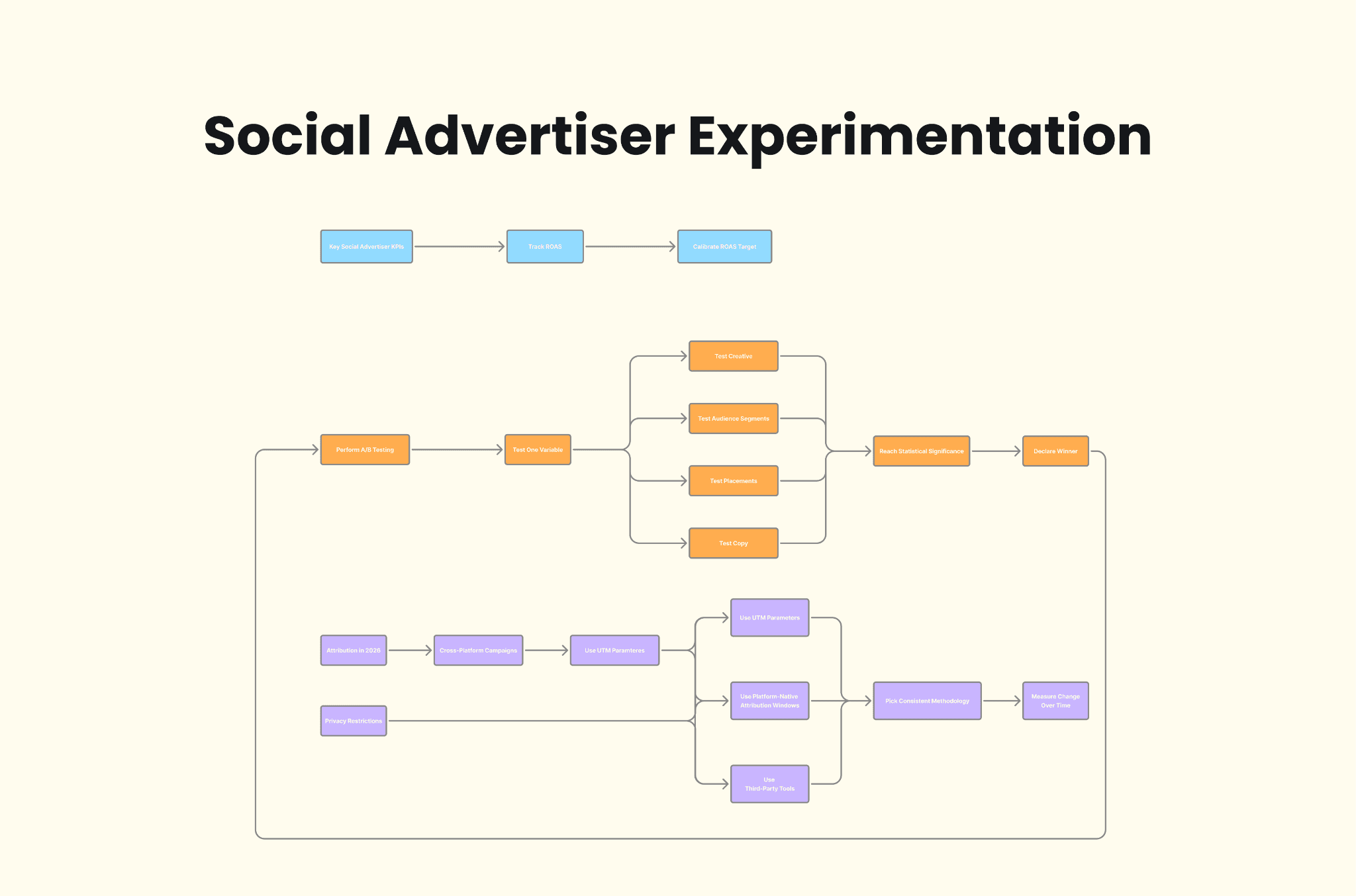
The four KPIs every social advertiser should track are ROAS (return on ad spend), CTR (click-through rate), CPA (cost per acquisition), and conversion rate. ROAS is the primary performance metric; social advertisers average $5.20 in return for every $1 spent, though that figure is a cross-industry average and your target should be calibrated to your margins and business model.
A/B testing is the mechanism that turns data into performance improvement. Test one variable at a time: creative (images vs. video, hook variations, different UGC creators), audience segments (interest-based vs. lookalike vs. broad), placements (feed vs. Stories vs. Reels), and copy (headlines, body text, calls to action). Run each test long enough to reach statistical significance before declaring a winner. A/B testing is the most consistently recommended ongoing optimization practice across industry sources.
Attribution in 2026 is imperfect and growing more complex. Cross-platform campaigns make it difficult to assign credit accurately across touchpoints, and privacy restrictions limit the data available for attribution modeling. UTM parameters, platform-native attribution windows (Meta’s default 7-day click/1-day view, for example), and third-party tools all give different answers for the same campaign. Pick a consistent methodology and stick with it so you can measure change over time, even if the absolute numbers carry uncertainty.
Landing page optimization for social ads
Most social ad clicks come from mobile devices, so landing pages must be mobile-first in design and speed. A user who clicks an ad and lands on a slow or confusing page bounces. Message match between ad creative and landing page (same offer, same visual tone, same product) reduces friction and improves conversion rates. Every ad should land on a page built for that ad's specific audience and offer. A generic homepage or category page leaks conversions.
Social media ads vs. the alternatives
Social advertising is a discovery channel. It reaches people who match your target audience profile before they start searching for your product. Search advertising (Google Ads, Bing) is the inverse: it captures people who already have intent, expressed through a query. Both channels serve different funnel positions, and most mature advertisers run both.
Organic social media builds an audience and credibility over time, but organic reach has declined steadily as platforms prioritize paid content. Organic supports paid by giving landing pages social proof and providing retargeting campaigns a larger audience pool. It does not replace paid for reach or conversion scale.
Traditional advertising (TV, print, out-of-home) still delivers broad awareness but lacks the targeting precision, real-time adjustment, and measurement infrastructure of social. For mass-market consumer brands with large budgets, traditional still plays a role. For most mid-market businesses, the feedback loop of social advertising (spend, measure, adjust, repeat) is more practical than a static media buy.
Social ads are not the right channel for every situation. Under $500 a month, SEO and organic content likely offer better long-term value. When your product solves a problem people actively search for, search ads convert more efficiently. And a narrow B2B niche reachable by name may respond better to direct outreach than to any paid social campaign.
Common mistakes that burn budget
Targeting too broadly without exclusions. Opening targeting to “everyone” sounds like it gives the algorithm room to work, but without exclusions (existing customers, irrelevant geographies, audiences already in your funnel), you waste spend on users who will never convert.
Ignoring creative fatigue. The same ad shown to the same audience repeatedly degrades performance. Watch frequency metrics closely. When frequency climbs above 3–4 and CTR drops, rotate in fresh creative.
Not testing. Running a single ad set with one creative variation means you never learn what works. Run at least two variations against each other. A/B testing is the minimum; three or four variations give faster signal.
Choosing the wrong campaign objective. Selecting “awareness” when you need conversions tells the algorithm to chase impressions instead of buyers. Objectives directly control who the platform targets. Match the objective to your actual business goal.
Neglecting landing pages. A strong ad that sends traffic to a slow, generic, or off-message landing page wastes every click. The ad and the landing page are one system. Build and judge them together.
Measuring vanity metrics. Impressions and reach feel good in a report but tell you nothing about business impact. Track ROAS, CPA, and conversion rate. A campaign that delivers millions of impressions and zero conversions has failed.
Your first 30 days: a campaign launch playbook
A social ad campaign launch follows four phases: setup, build, launch, and optimize. The entire sequence fits into 30 days for a first campaign, with ongoing optimization continuing indefinitely after that.
Week 1: Setup. Choose your starting platform by where your highest-value audience spends time. Install the platform’s tracking pixel on your website and configure a conversion API for server-side event tracking. Build your first custom audience from existing customer data (email list, CRM export) and create a lookalike audience from that seed. Define your campaign objective and set a test budget that allows enough impressions to produce learnings.
Week 2: Build. Structure your first campaign with two to three ad sets targeting different audiences (one lookalike, one interest-based, one broad). Produce at least three creative variations per ad set: one video, one static image, and one UGC-style piece. Write two to three headline and body copy variations for A/B testing. Prepare a dedicated landing page that matches the ad’s message and offer.
Weeks 3–4: Launch and optimize. Launch the campaign and let it run for at least three to five days before making changes. The algorithm needs initial data to calibrate delivery. After the learning phase, review performance by ad set and creative variation. Pause underperformers and reallocate budget to winners. Start a retargeting campaign for website visitors who did not convert. Monitor frequency and rotate in fresh creative before fatigue sets in.
The minimum viable stack before spending a dollar:
A tracking pixel and conversion API installed and verified
At least one custom audience uploaded
Three creative variations ready
A mobile-optimized landing page live
A budget you are prepared to spend without expecting profit in the first two weeks
Where this leaves you
Social advertising rewards a different skill set now. The algorithm has taken over the mechanical optimization that used to fill a media buyer’s day, first-party data has become the asset that decides how well that algorithm performs, and creator-driven, platform-native creative has overtaken the polished studio ad as the format that earns engagement.
The advertisers who pull ahead are the ones who feed these systems better data and creative, build owned data assets, and make content for each platform.
For teams producing platform-native creative at volume, AI-driven production tools, AdMove among them, can help maintain the creative velocity that constant testing demands.
The fundamentals remain: reach the right people, show them something relevant, measure what happens, and adjust. The tools that handle each step have gotten much better at it.